OWN THE FUTURE · 04 OF 05
Climate & Resource Scarcity
Energy, water and materials: the shift from scarcity to closed loops, and the technology driving it.
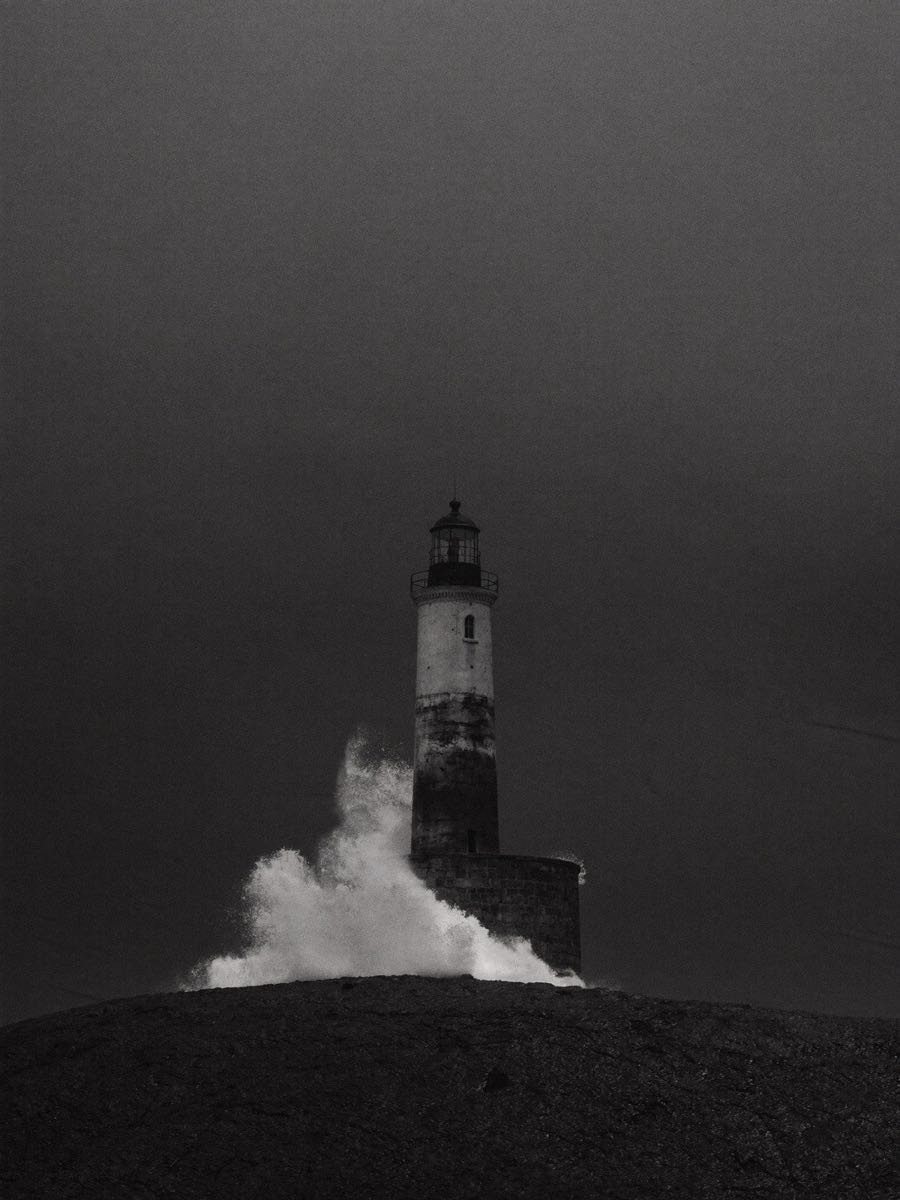
The shift
In ten years the cost of solar power fell by almost 90%.
When clean energy becomes the cheapest, it wins on economics, not on ideology. That is how the transition scales.
Source: IRENA, cost of solar PV electricity 2010 to 2020.
Season 4 · Introduction
What is climate and resource scarcity?
Climate and resource scarcity is about how the world will get electricity, water, food and materials to more people without the resources running out along the way. A good way to see how fast this area is moving is to look at batteries, the technology that powers electric cars and stores electricity so that it is still there when the sun is not shining or the wind is not blowing.
In 2010 a lithium-ion battery, the most common type of battery today, cost 1,400 dollars per kilowatt hour. A kilowatt hour is the same unit that appears on your electricity bill. Here it describes how much electricity the battery can store. By 2023 the price had fallen to under 140 dollars per kilowatt hour, according to the International Energy Agency (IEA). That is a fall to about a tenth of the price, in thirteen years.
Counted in the same money: what cost a thousand kronor in 2010 costs about a hundred today.
The fall in price is linked to how much is being built. The IEA writes that the energy sector's share of all demand for lithium-ion batteries, meaning electric cars and storage for the grid rather than phones and computers, went from half in 2016 to over 90% in 2023, while the whole battery market grew tenfold over the same period. The more batteries are made, the more the factories learn, and research brings better chemistry. Both push the price down, and a lower price attracts more buyers, which in turn gives manufacturers a reason to build even more batteries. In 2023 alone, storage facilities with a combined capacity of 42 gigawatts were built around the world, from large plants on the grid to small systems for homes and villages. Capacity is a measure of how much electricity can be delivered at once.
But cheaper batteries do not solve resource scarcity on their own. They move the problem somewhere else. The metal inside the batteries also has to be mined from the ground. Demand for lithium, one of the main ingredients, tripled between 2017 and 2022, with the energy sector as the single largest cause, according to the IEA.
The fall in battery prices and the growth in demand for lithium are the same story seen from two sides. Technology gets cheaper as it is built at large scale, and that scale in turn puts new pressure on the resources the technology depends on.
Education, not advice.
The library
Five episodes.
Caption and source
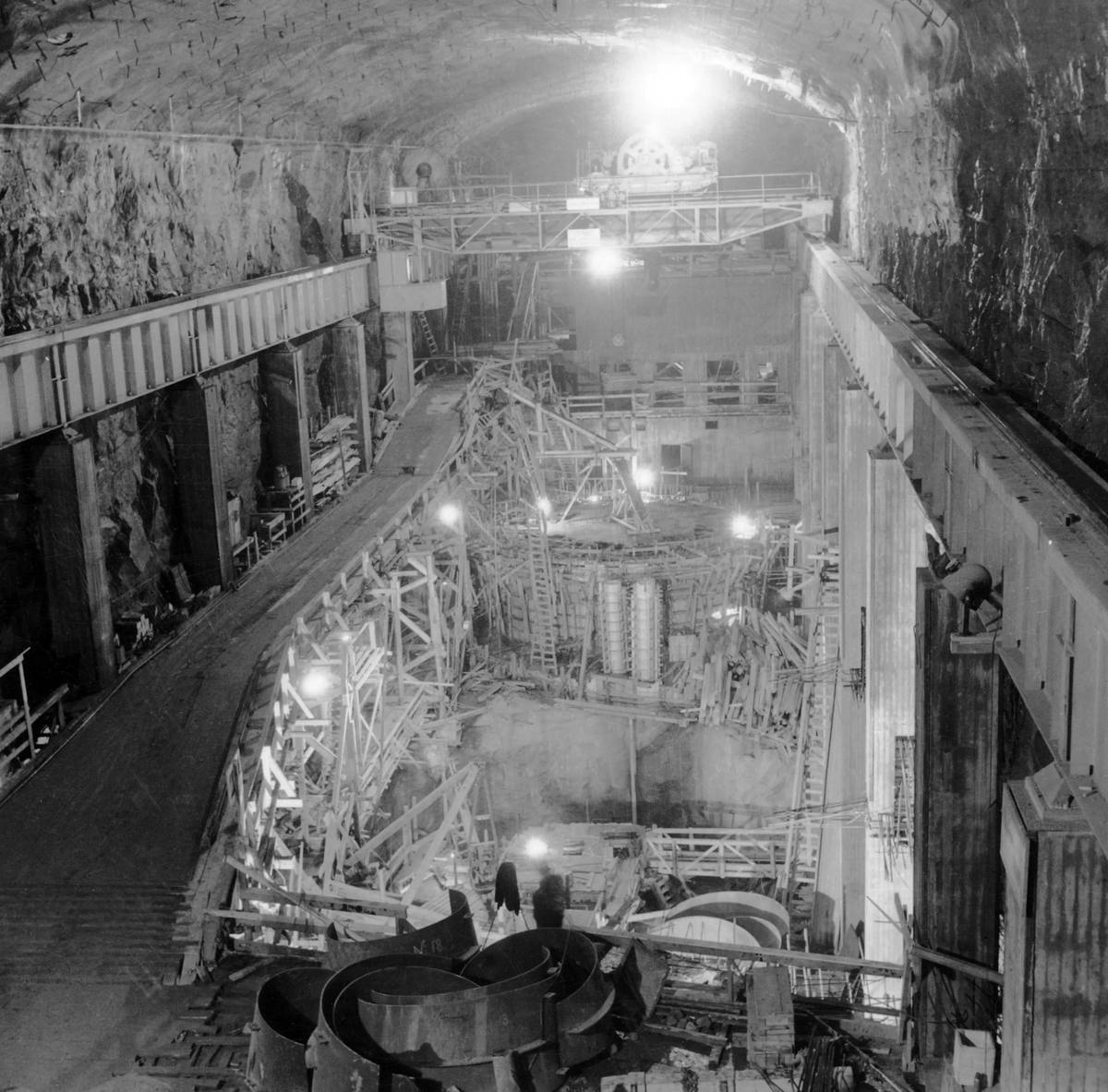
The machine hall of the Harsprånget power station in Jokkmokk under construction in 1950, blasted into the rock. Plants like this one produced 64.2 TWh in 2024, more than any other type of power. The museum record names no photographer. Swedish National Museum of Science and Technology (Tekniska museet), TEKA0078449. Public domain.
Clean Energy
Electricity is produced in several different ways, and Sweden uses most of them. We explain where Swedish electricity comes from, counted in TWh, and what one kilowatt hour is enough for.
Where does Swedish electricity come from? Counted in TWh for 2024
Caption and source
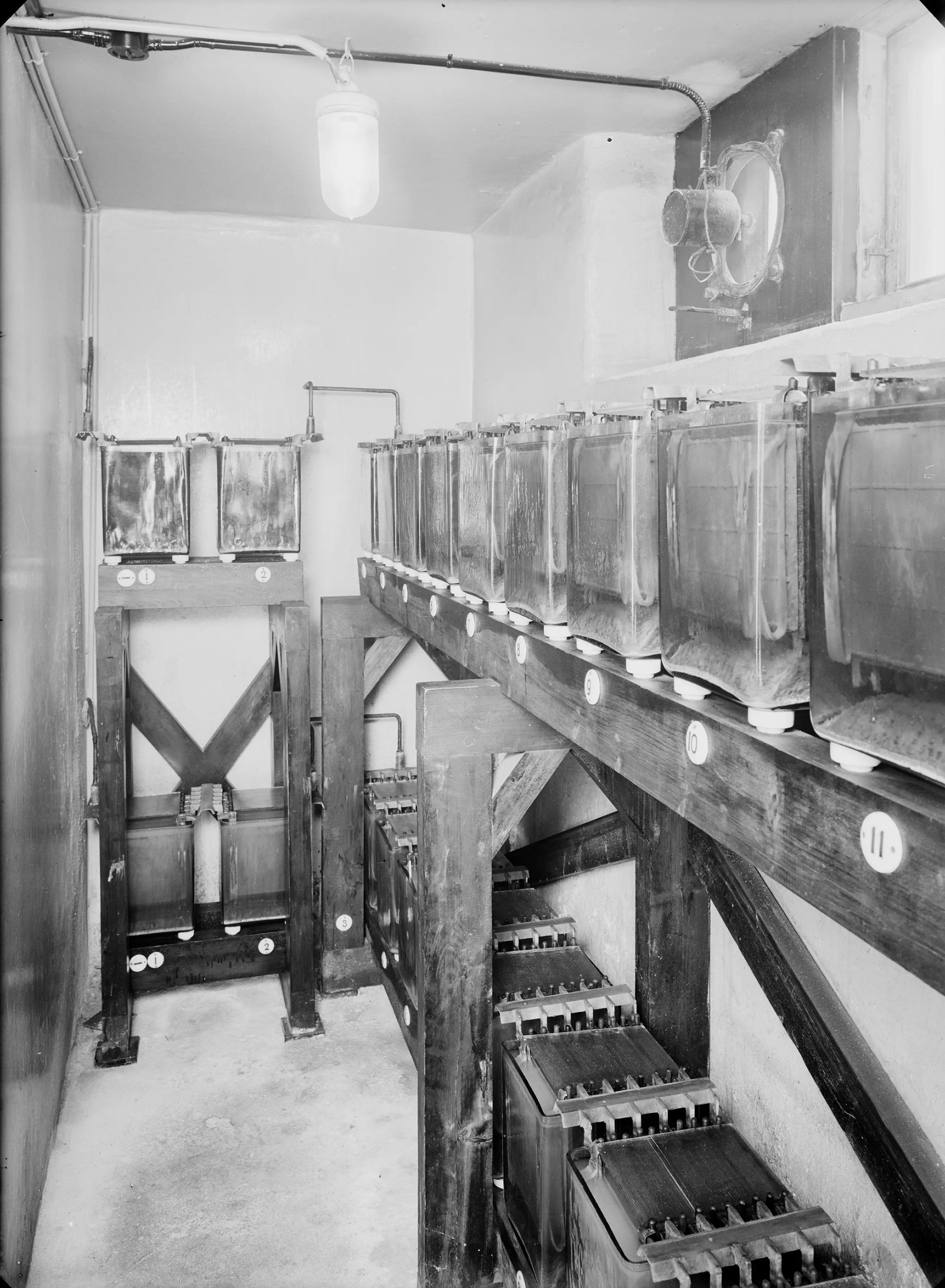
The battery cellar at the Enskede telephone exchange in Stockholm, 1938. Each glass jar is a cell, numbered and connected in series, and the lead plates inside are the electrodes. The museum record names no photographer. Swedish National Museum of Science and Technology (Tekniska museet), TEKA0140230. Public Domain Mark.
Batteries & Storage
A battery stores energy so that it can be used later, when it is needed. We explain how a battery works, what it is made of and why storage is hard.
Caption and source
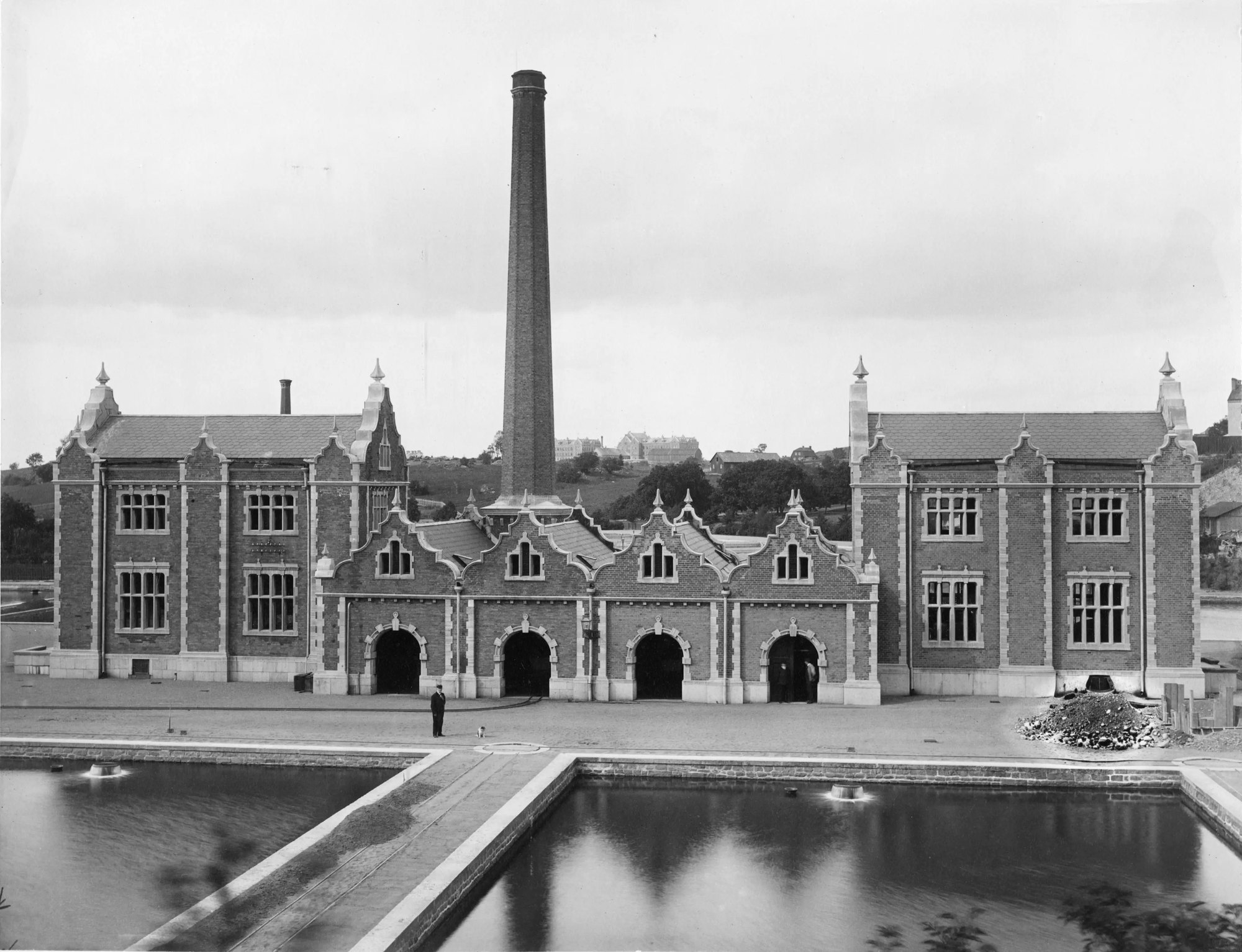
The Skanstull waterworks in Stockholm, 1892. Photographer unknown. Swedish National Museum of Science and Technology (Tekniska museet), TEKA0152211. Public Domain Mark.
Water
Water is a resource that is measured, shared out and sometimes runs out locally. We explain how water supply works, what it costs and where the shortages are today.
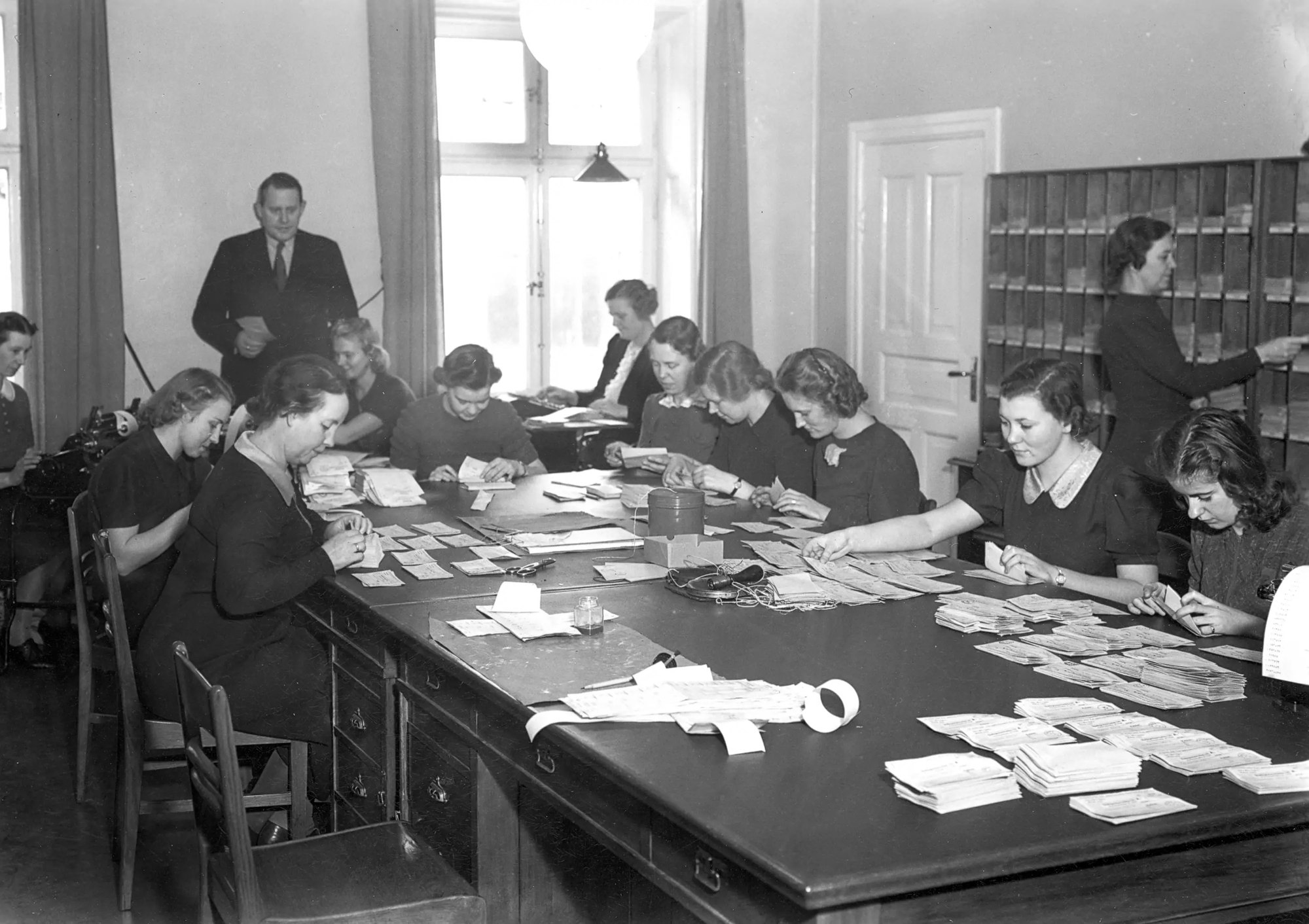
Caption and source
Sorting ration cards and tax demands at the post office in Kalmar in the 1940s. Each card on the table stood for one person's right to a set amount of food. Photograph: Walter Olson. Kalmar County Museum, KLMF.B03255. Public Domain Mark.
Food & Agriculture
The food on your plate has passed through farming, transport and processing before you see it. We explain how the food chain is built and how much land, water and energy it uses.
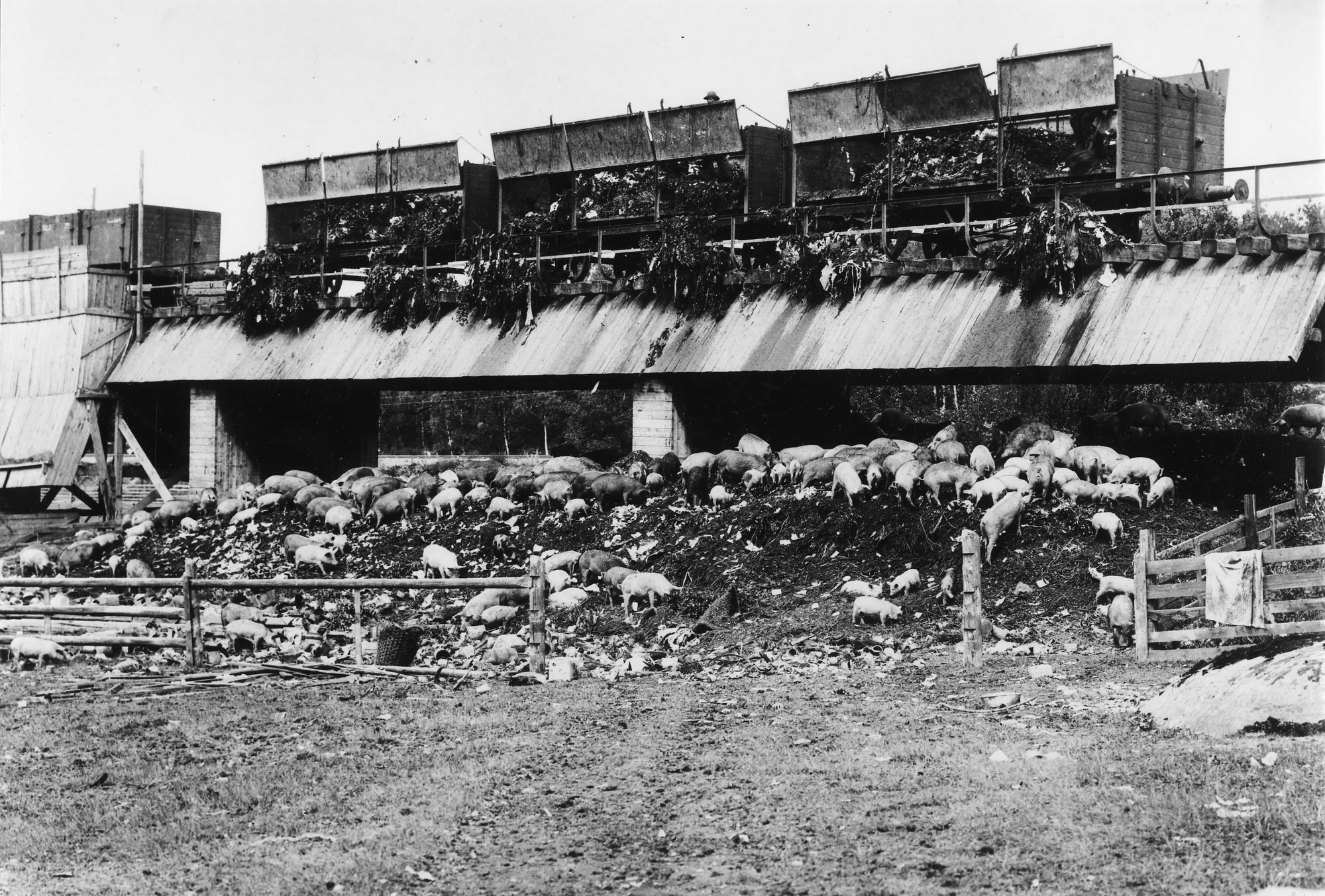
Caption and source
Rubbish from Stockholm is unloaded at Lövsta in 1898, where pigs graze on the heap. The food waste was taken out of the city by rail and became animal feed. The museum record names no photographer. Swedish Railway Museum (Sveriges järnvägsmuseum), JvmKDCA00493. Public Domain Mark.
Circular Economy
A circular economy means that materials are used again instead of being thrown away. We follow what happens to our rubbish and which parts are recycled.
One article per episode. Subscribe and you will get each new article straight away.
The future in your inbox.
The most important things from each area, without the noise and without the hype.